
Been turned down by your bank and now wondering whether any real bad credit loan banks even exist? That’s a common initial reaction. 💡 Top tip: don’t stop at your own bank. Building societies and specialist lenders often look at cases far more sensibly, and I’ll explain why later in the article.
If you’re in Chelmsford, Braintree, Colchester or elsewhere in Essex, this is a familiar position. You need finance, your credit history isn’t perfect, and the first place you tried has given you a flat no. That doesn’t always mean the case is dead. It usually means you’ve asked the wrong type of lender.
Searching for Bad Credit Loans from Your Bank?
Many borrowers assume their current bank is the natural place to start. You’ve banked there for years, your salary goes in there, and you expect that relationship to count for something. In practice, it often counts for less than people think.
The phrase “bad credit loan banks” suggests there’s a clear group of high street lenders offering loans to people with credit blips. Usually, there isn’t. The actual market is split between mainstream banks, some more flexible building societies, and specialist lenders who are set up for adverse credit cases.
If you want to sense-check your position before making a full application, a soft-search tool like the bad credit loan eligibility checker can help you avoid unnecessary damage to your file.
What you need to know
Why banks decline fast: High street systems tend to reject anything outside their normal profile.
Where exceptions happen: Some building societies and specialist lenders will consider the detail behind a credit issue.
What lenders assess: It usually goes far beyond the score you see on an app.
How to avoid making things worse: Repeated failed applications can leave more hard searches on your report.
What improves your odds: A clear explanation, stable income, and the right lender choice.
Practical rule: If the first answer is no, don’t assume every lender will say no for the same reason.
That’s the bit many borrowers never get told. A rejection from one bank is only one lender’s view of risk. It isn’t a verdict on your whole case.
Why Mainstream Banks Are So Cautious
High street banks are built for scale. They need quick decisions, standard documents, and applicants who fit a narrow shape. If your file shows missed payments, a default, a CCJ, or even a pattern they don’t like, the system often declines first and never asks questions.

Why the word bank causes confusion
This catches people out all the time. Equifax’s guide to loans with bad credit makes the key distinction clear: mainstream banks rarely offer bad-credit loans in the UK, and most so-called bad-credit bank loans come from specialist non-bank lenders.
That distinction matters because the underwriting is different. A mainstream bank tends to ask, “Does this fit our model?” A specialist lender asks, “Can we understand this risk and price for it?”
The checklist problem
Think of a high street bank like a strict checklist. Tick every box, and the case moves. Miss one or two, and it stalls. That’s why people often describe the process as “computer says no”. It isn’t always that simple, but from the borrower’s side, it can feel exactly like that.
High street lenders prefer predictable cases because their model depends on lending at relatively keen pricing to low-risk borrowers. They’re not generally structured to spend time unpicking a messy credit story, especially on smaller-ticket lending.
If you want a plain-English look at how lenders review applications, this piece on Stewart Accounting small business loan advice is useful because it shows the sort of financial judgement lenders apply when they assess risk.
Why a bank relationship often doesn’t save the case
Borrowers regularly say, “But I’ve been with them for years.” I understand the logic. The problem is that loyalty doesn’t override policy.
A bank can see your account conduct, but it still has to apply its own lending rules. If your case sits outside those rules, history with the bank often makes little difference. That’s one reason many people end up comparing broker advice with a direct bank route, especially when the case isn’t straightforward. The difference is set out well in this guide on using a mortgage broker versus a bank in the UK.

How to Get a Yes from a Lender
The borrowers who do best aren’t always the ones with the cleanest files. They’re often the ones who understand how their case will be read.
Lenders do not take an Experian or Equifax number and decide from that alone. In fact, many lenders build their own internal assessment from the application, and some don’t credit score in the way borrowers imagine at all. That’s why chasing a magic score number is often the wrong approach.
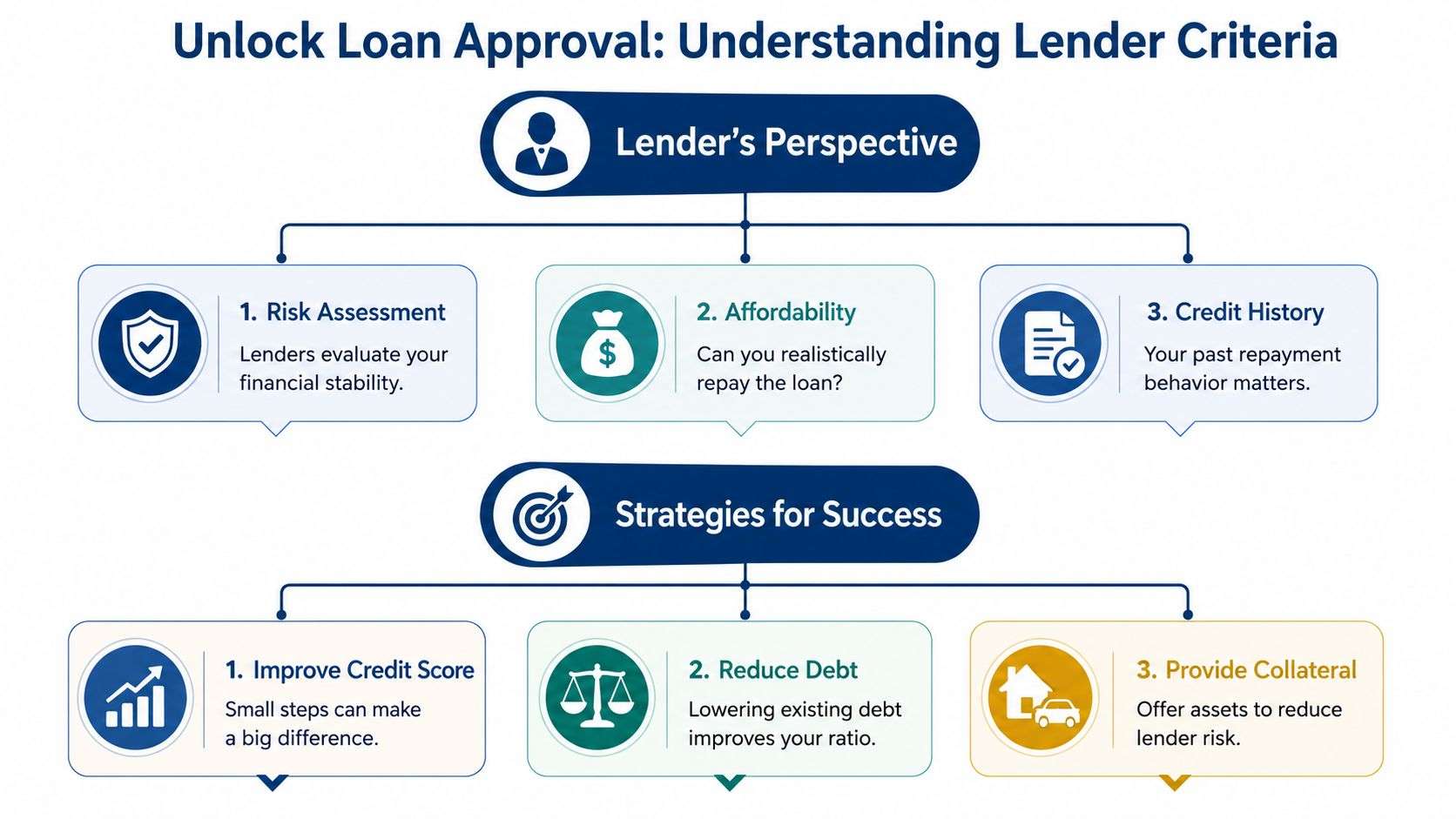
The story behind the credit issue matters
The success or failure of many applications hinges on what a lender wants to know: what happened, why it happened, and what’s changed.
If someone had a rough patch after redundancy, illness, separation, or another life event, that’s understandable. If the problem came from poor money management, honesty is still better than dressing it up. The key point is the same in both cases. What is different now?
A steady income, cleaner recent conduct, reduced unsecured balances, and a sensible explanation all help. Lenders need confidence that the issue belongs in the past, not that it’s still repeating now.
The older the problem, the easier it usually is to place, provided the rest of the case stacks up.
Time changes how lenders see adverse credit
First Time Buyer mortgages for bad credit explains that adverse credit is commonly split into Light, Medium, Heavy, and Severe, and lender appetite tends to improve at 12 months, 2 years, 3 years, and 6 years after the event. It also notes that adverse entries typically fall off credit files after 6 years, and that intermediary-only lenders such as Kensington and Bluestone Mortgages may consider severe issues if they have been discharged for the required period and the case comes through a broker.
That matches what brokers see day-to-day. A missed payment from last month is very different from one from several years ago. A satisfied CCJ from years back is read differently from a fresh, unsatisfied one.
A real example of where context wins
I’ve seen high street lenders step back from cases that a building society will assess more calmly. One example that sticks is a client with a CCJ from around three years earlier who secured a 90% mortgage with Skipton Building Society on normal rates. The reason it worked wasn’t luck. The income was stable, the background made sense, and the case was presented properly.
That is why lender choice matters so much. One lender sees a red flag. Another sees a past issue with a credible recovery.
What to line up before you apply
Credit report: You need to know exactly what a lender will see.
Income proof: Payslips, bank statements and ID should be ready from the start.
Explanation notes: Keep them factual and concise.
Current affordability: If the numbers are stretched, the story won’t save the case.
If you’re looking at a mortgage rather than a simple personal loan, checking your position early with a guide to mortgage eligibility helps frame the case properly before applications start.
The Automated Call-to-Action Block
If your own bank has already said no, or you suspect it will, the next step is not to keep firing off more applications. It is to choose the right part of the market first.
A broker-led case can be placed with the right lender far more efficiently than a trial-and-error approach on the High Street. That is especially true if the issue is recent, unusual, or easy to misread from a credit file alone. A good starting point is understanding how a specialist mortgage lender assesses risk, because that is usually very different from the policy-led bank process borrowers expect.
I tell clients in Chelmsford the same thing every week. Stop guessing and get the case assessed properly before another footprint lands on your file.
If your plans involve a rental purchase or a wider property strategy, it also helps to compare finance options beyond standard bank products, including global investment property loans.
The right move here is simple. Get your credit position, income, and purpose reviewed together, then approach lenders built for adverse credit cases rather than hoping a mainstream bank will make an exception.
Banks vs Specialist Lenders A Comparison
A borrower walks into their own bank expecting loyalty to count for something. The bank sees a recent default, a missed payment, or income that does not fit its scoring model, and the answer is no. I see that in Chelmsford all the time. The mistake is assuming every lender will view the case the same way.
They will not.
Banks, building societies, and specialist lenders all lend money, but they work to different rules. High Street banks are built for clean, predictable cases. Specialist lenders are built for applicants who need a human view of their file, not just a pass-or-fail score.
Lender Comparison for Bad Credit Applicants
| Lender Type | How They Usually View Bad Credit | Assessment Style | Pricing Position | Best For |
|---|---|---|---|---|
| High street banks | Often strict, especially on recent issues or multiple blips | Largely score-led, with limited room outside policy | Usually cheapest if you meet the rules | Clean credit and straightforward borrowing |
| Building societies | Sometimes more open to older or isolated issues | More likely to review the story behind the credit file | Often between bank and specialist pricing | Borrowers with lighter adverse history |
| Specialist lenders | More willing to consider defaults, missed payments, unusual income, or recent credit events | Manual underwriting with a stronger focus on affordability and context | Higher rates and fees in return for broader access | Adverse credit cases and complex profiles |
What specialist lenders actually do differently
The big difference is not generosity. It is method.
A bank will often ask, “Does this fit policy?” A specialist lender is more likely to ask, “What happened, has it been resolved, and can this borrower afford the loan now?” That does not mean easy approval. It means the file gets read properly.
That trade-off matters. A specialist lender may say yes where a bank says no, but the rate is usually higher and the terms can be tighter. Sometimes that is the right short-term move. Sometimes the better decision is to wait six or twelve months, clean up the profile, and apply again on stronger terms.
Why building societies can sit in the middle
Building societies are worth checking where the credit issue is older, smaller, or clearly explained. Some are still policy-heavy. Others will look at conduct since the problem, deposit level, and overall stability.
That is why they can suit someone with one settled default from years ago, but may still struggle with recent missed payments or heavy unsecured debt.
If you want a clearer view of how that side of the market works, this guide to specialist mortgage lenders explains the sort of cases these lenders are set up to assess.
Broader access does not mean better borrowing
A lender saying yes is only half the job. The monthly payment has to be sustainable, and the total cost has to make sense for the reason you are borrowing.
That is the broker’s-eye view borrowers often miss. High Street banks are not always the safest option just because they are familiar, and specialist lenders are not always expensive mistakes just because their rates are higher. The right answer depends on what happened on the credit file, how recent it was, what the money is for, and whether the deal solves a real problem without creating a new one.
For readers comparing finance across wider property borrowing, global investment property loans show the same principle in another part of the market. Lender criteria change with risk, and choosing the right lender matters as much as choosing the right product.
Exploring Alternative Routes to Finance
If an ordinary unsecured loan isn’t the right fit, you still may have options. The key is understanding what risk the lender is taking and what you’re giving up in return.

Guarantor and secured options
Clear Credit’s guide to personal loans for bad credit notes that unsecured loan amounts for bad credit borrowers generally range from £1,000 to £8,000; guarantor loans can extend up to £10,000; and secured personal loans may allow borrowing of £15,000 or more when collateral, such as home equity, is used.
That tells you something important about the market. The more security a lender has, the more flexible it may become.
Guarantor loans: Another person agrees to support the borrowing if you can’t keep up the payments.
Secured loans: The lender takes security against an asset, commonly property.
Smaller unsecured specialist loans: These can work for modest borrowing needs where affordability is clear.
The trade-offs need to be taken seriously
A guarantor arrangement can help, but it brings another person into the risk. That’s fine if everyone understands the obligation. It’s a problem if people treat it casually.
A secured loan can enable larger borrowing and a wider choice of lenders, but your home is on the line if repayments aren’t made. That’s not a scare tactic. It’s just how things are.
A loan isn’t good because it gets approved. It’s good only if it solves the problem without creating a bigger one.
For homeowners, a second charge mortgage is one of the main secured routes worth exploring where remortgaging the first mortgage isn’t the best move.
How to Prepare Your Application for Success
Preparation changes outcomes. It won’t turn a poor case into a strong one overnight, but it will stop avoidable problems and give the lender a cleaner, more credible picture.
Start with what the lender is going to see. Don’t apply blind.
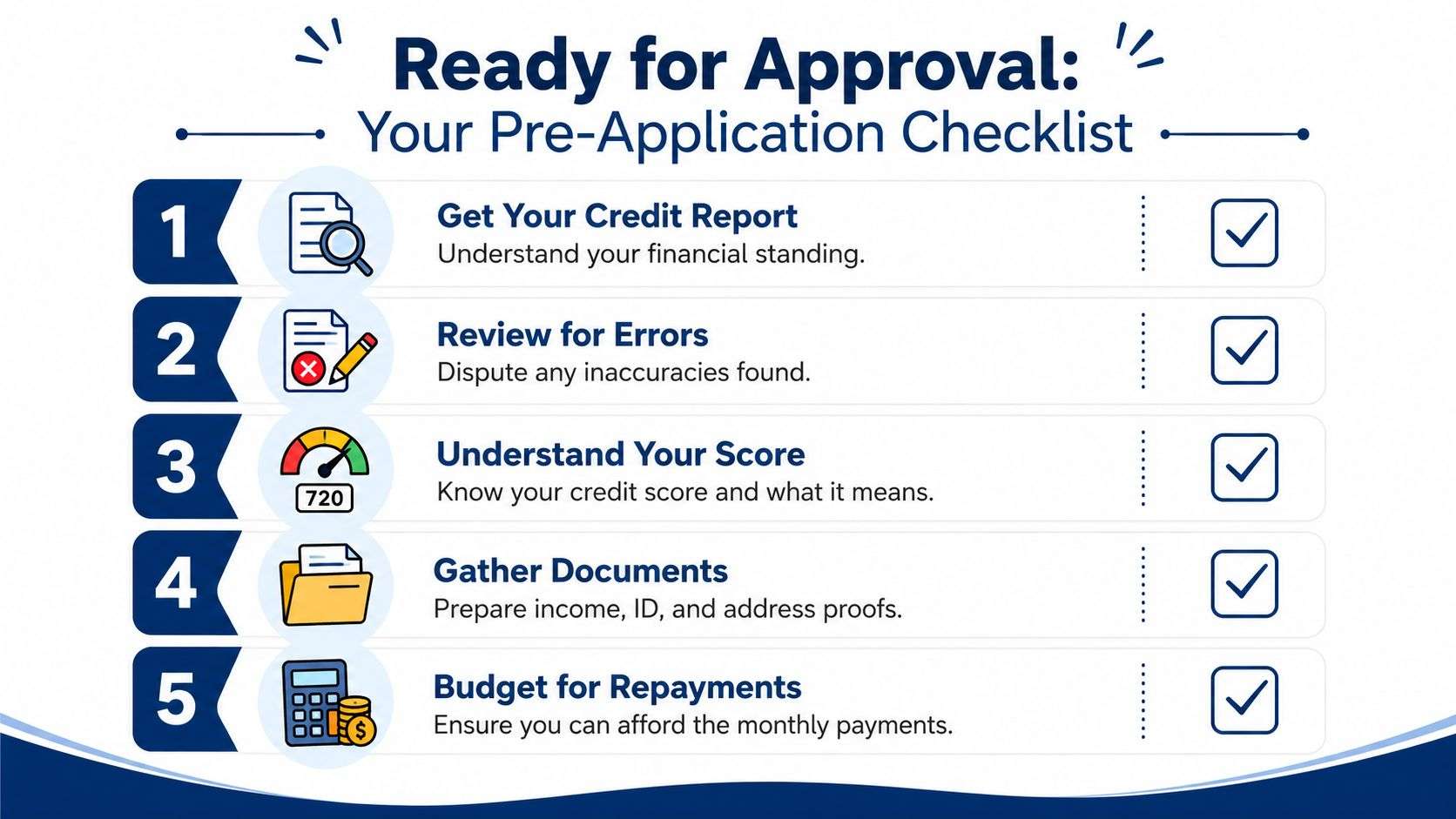
The documents that matter
Have the basics ready before anyone submits an application. That usually means:
Proof of income: Payslips or equivalent evidence if you’re self-employed.
Bank statements: Recent statements that show income and outgoings clearly.
ID and address evidence: Keep this up to date and easy to access.
Your credit report: You need the full picture, not just a score.
That last one is highly important. A report shows dates, balances, defaults, searches, missed payments and whether old issues have been satisfied. It also lets you spot errors before a lender does.
Soft searches first, hard applications later
Money.co.uk’s bad credit loan guide makes an important point. Borrowers should use soft credit checks through comparison platforms or brokers before applying, because a full application creates a hard search on the credit report.
That matters when someone has already had a decline or two. Multiple hard searches in a short period can make the file look more pressured than it really is.
One practical route is to use a soft-search tool that checks likely fit before a lender sees a full submission. EHF Mortgages offers a bad credit eligibility checker on that basis, which can help borrowers test whether their case is likely to suit lender criteria without starting with a hard footprint.
Before you go further, this video gives a useful overview of how to think about your position:
The explanation letter most people forget
This is the part people in Chelmsford and across Essex often leave until too late. They gather payslips and statements but forget to explain the credit issue properly.
Write it down clearly:
What happened
When it happened
Why it happened
What has changed since
Keep it factual. Don’t over-defend it. Don’t write a novel either. Underwriters want clarity and confidence, not drama.
“High Street lenders typically shy away from anyone with any element of bad or adverse credit; some building societies have more flexible criteria.”
Why a Broker is Your Strongest Ally
When a case is simple, going direct can be fine. When the file has adverse credit, unusual income, or a recent decline, going direct often means guessing which lender might listen. That’s where people lose time and leave unnecessary marks on their credit file.
A broker sees the market by criteria, not by brand recognition. That’s a big difference. The job is to match the case to the lender most likely to understand it, whether that means a building society, a specialist lender, or waiting until the profile improves.
What a broker does that borrowers can’t easily do alone
Reads the detail properly: Not just the headline issue, but the date, severity and current conduct.
Filters lenders before application: That reduces wasted submissions.
Frames the case well: The explanation behind the adverse matters.
Knows where flexibility sits: Especially useful for borrowers around Colchester, Braintree and wider Essex.
A good broker also tells you when not to apply. That can be just as valuable as finding a lender. Sometimes the best advice is to pause, tidy the file, and come back in a better position.
If you want clear advice on your options and a realistic view of what may work, contact EHF Mortgages and discuss your next step. If you’re ready to speak with the team, use the button below.





